Recognizing Architectural Shingle Roof Issues in Winter
Architectural shingle roofing is built for strength, but that doesn't mean it's trouble-free when winter settles in. In areas like Chicago, where snow and freezing winds hit hard, these shingles can still develop problems that aren’t easy to spot at first. The cold puts stress on every part of a roof, and if those shingles start failing, it can lead to water damage, leaks, and more expensive repairs down the road.
Knowing what to look for during the heart of winter makes a big difference. Whether you’ve got an older roof or one that’s fairly new, it’s smart to keep an eye out for changes. Snow and ice can speed up wear in ways that aren’t always obvious. Here’s how to spot trouble early before a small concern turns into a larger and more costly fix.
Common Signs of Damage After Snowfall
Once snow starts piling up, it puts pressure on your roof. That pressure, along with melting and refreezing cycles, can cause noticeable wear. Common signs include:
• Shingles that are lifted, cracked, or even missing. Snow followed by freezing temps can warp shingles enough to make them come loose. Once a shingle pops up or breaks, the layer beneath it is exposed to more moisture.
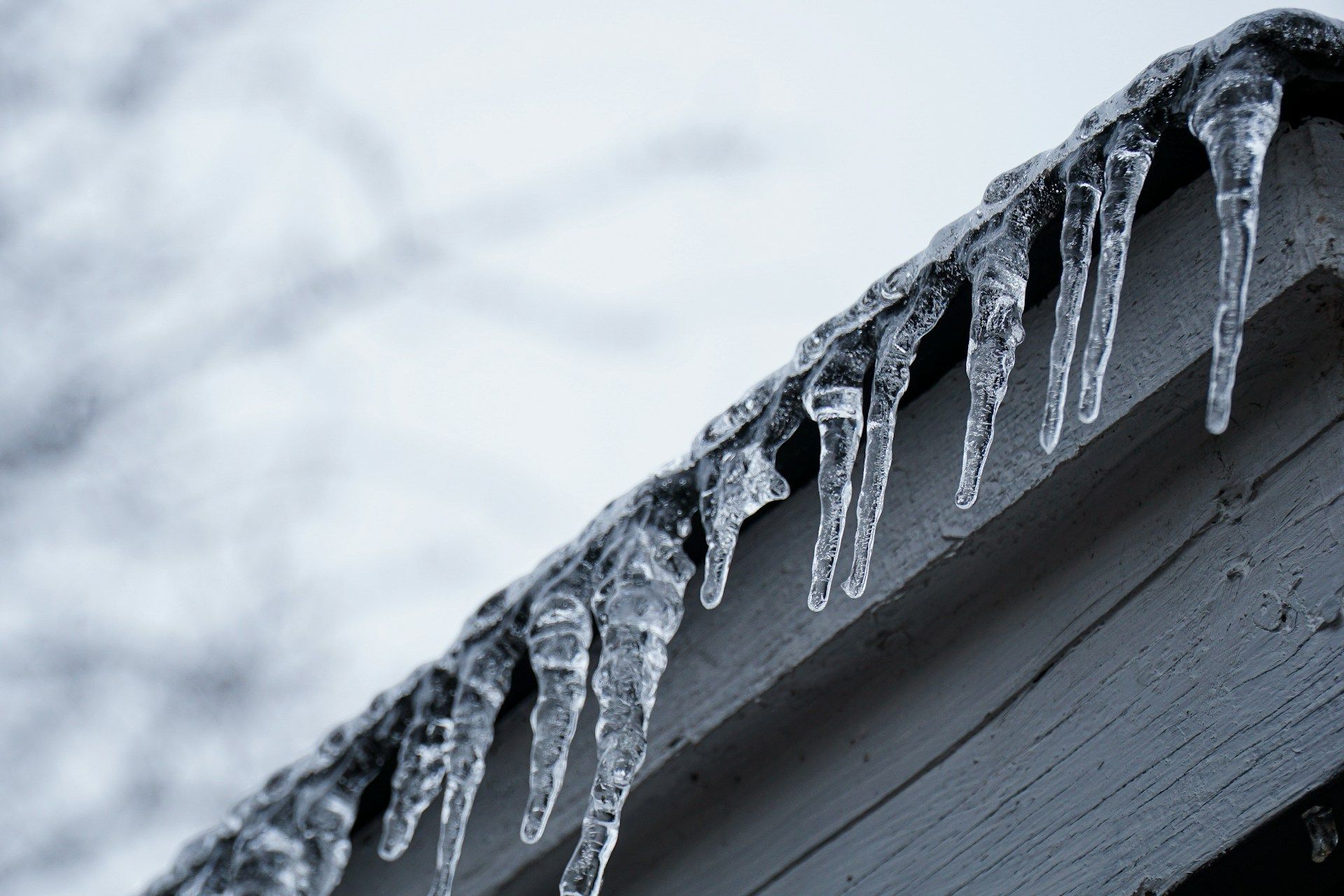
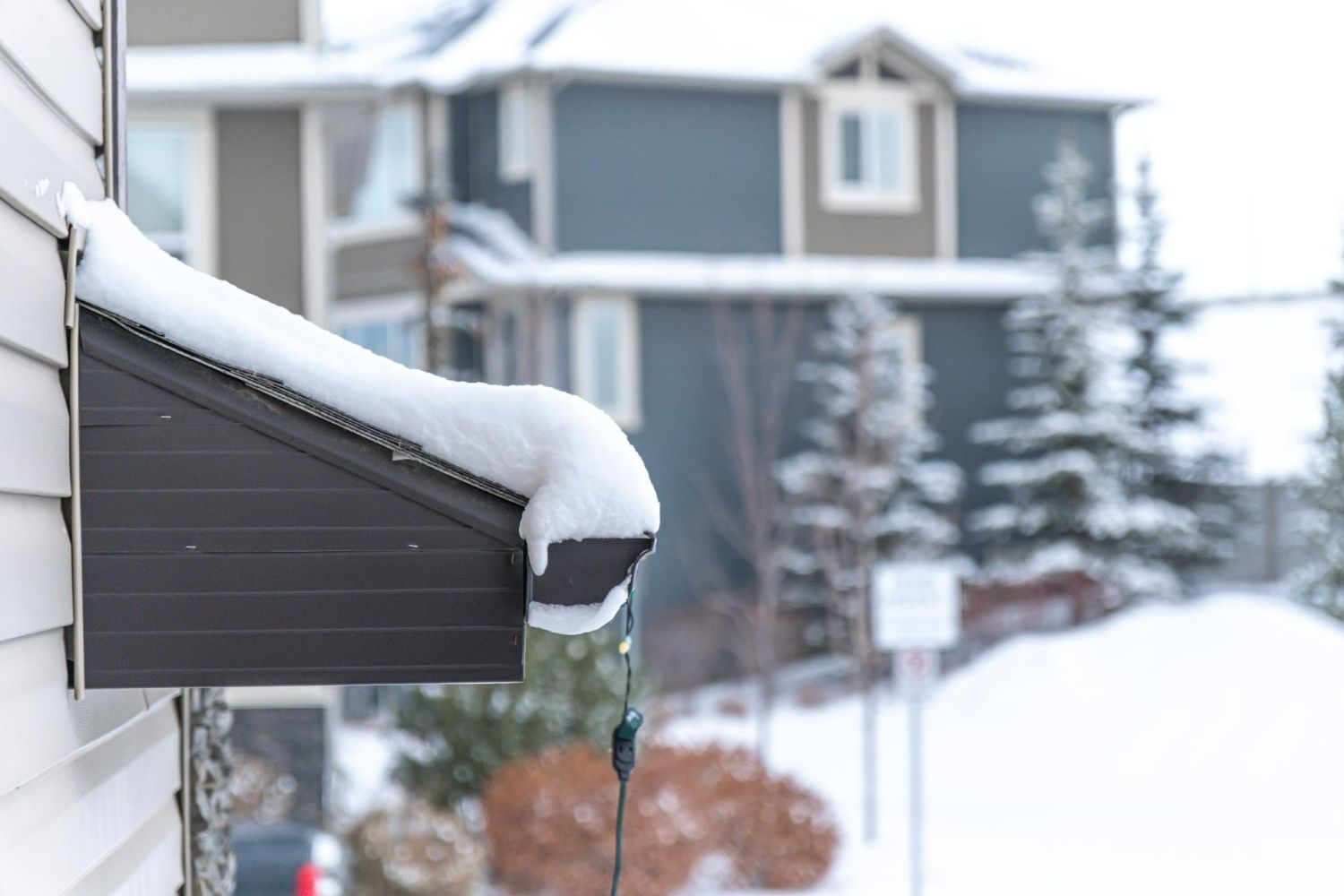
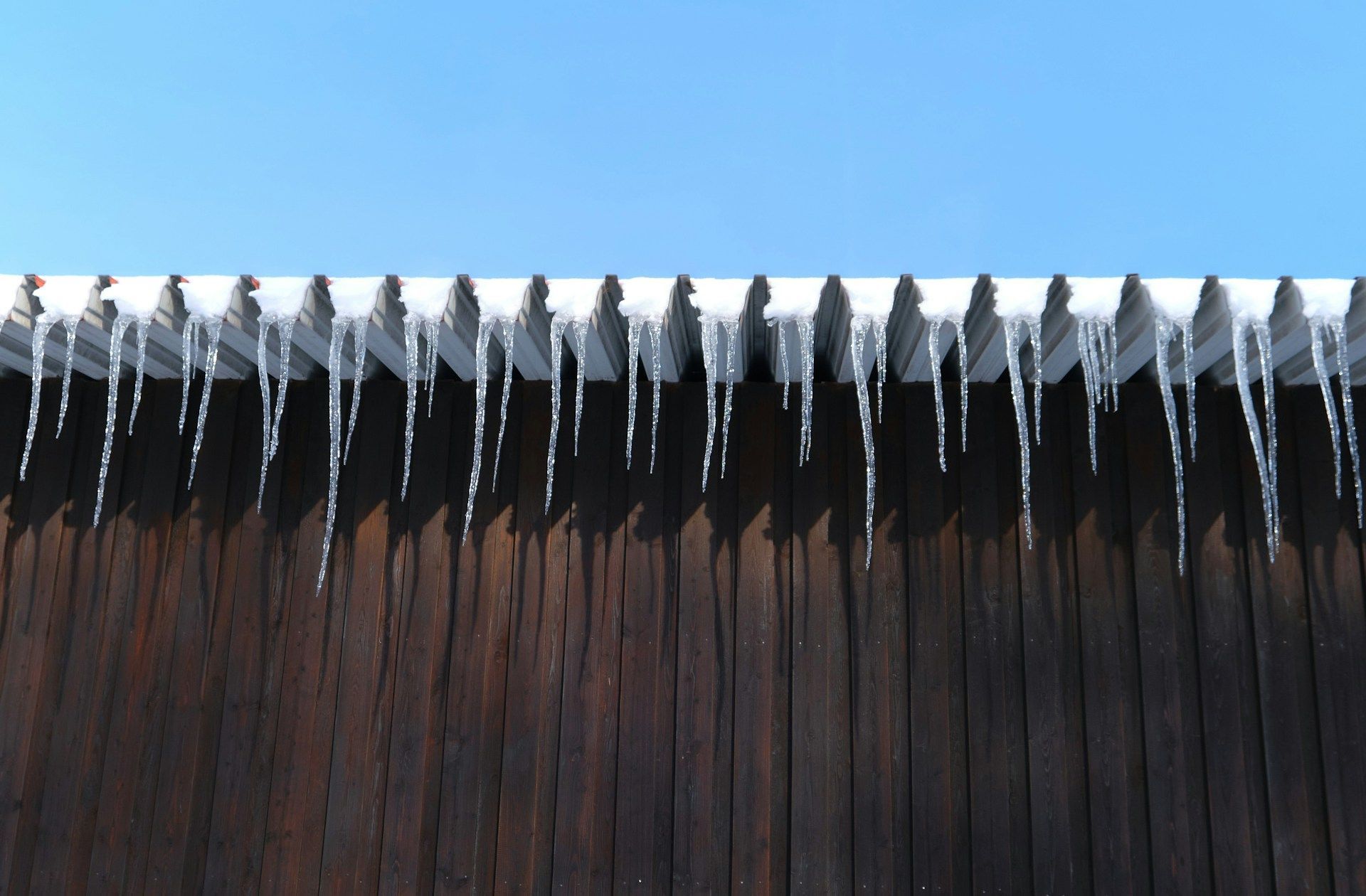
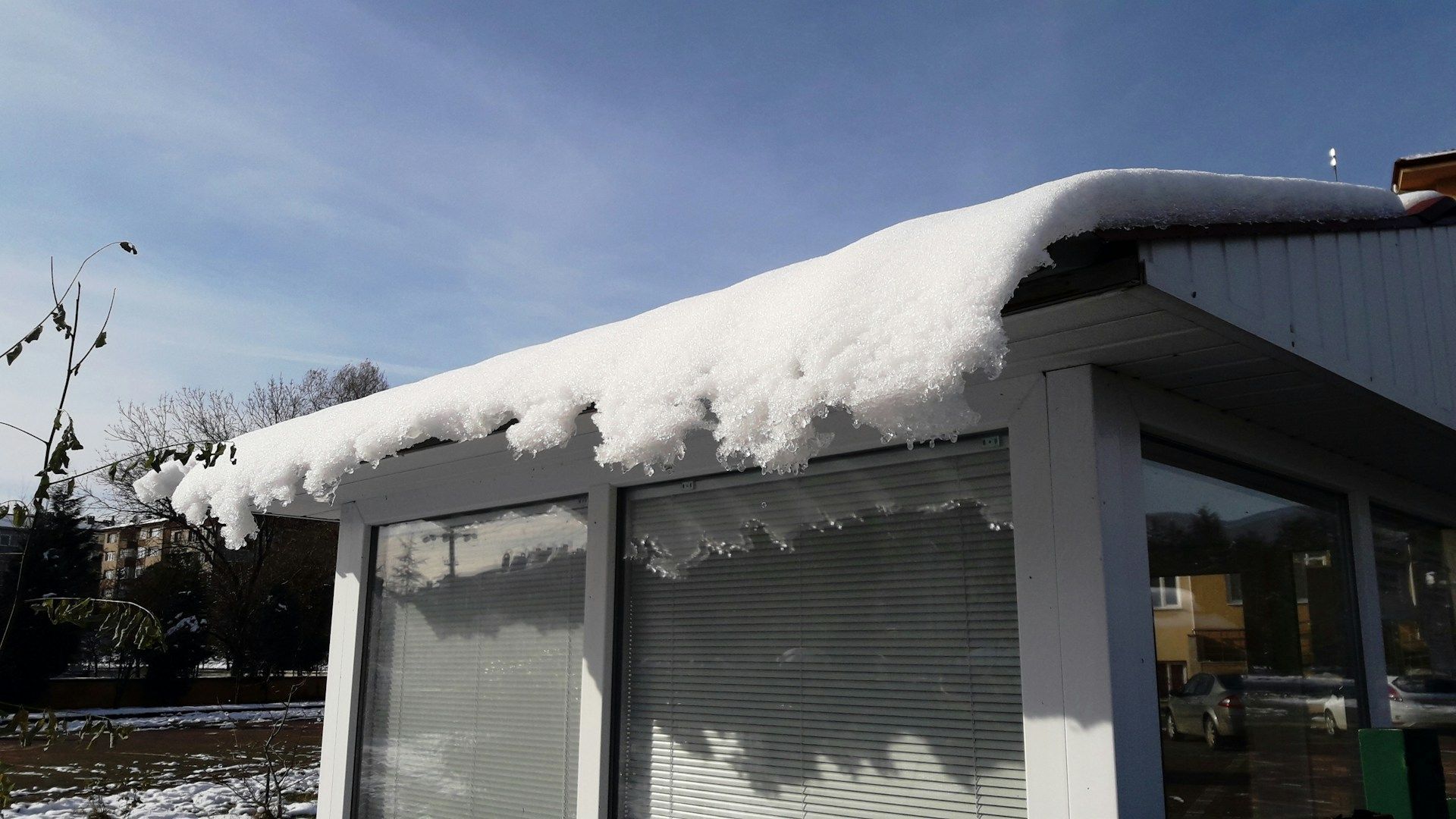
• Ice dams forming along the edge of the roof. These block melting snow from draining off correctly. Water can then sneak under the shingles and get trapped, where it may freeze again and create small tears in the underlayers.
• Uneven spots or sagging along sections of the roofline. When snow piles up and starts to soak into weak spots, it can weigh the roof down unevenly. If you notice dips or low areas developing, that often points to water damage underneath.
If any of these signs show up, they’re not likely to go away on their own. They tend to get worse with each snowstorm.
What Cold Temps Do to Your Roof Over Time
Roof materials shift as the weather changes. Just like sidewalks crack from freeze-thaw cycles, architectural shingles can start to flex and weaken during long cold spells. In places like Chicago, this can be a real concern.
• Repeated freezing and thawing can cause expansion and contraction that pulls shingles or flashing out of place.
• Moisture from melted snow can sneak into seams and freeze again, warping the shape of shingles or causing them to curl at the edges.
• A wide swing in temperatures throughout the day makes it hard for roofing materials to stay fixed in place. Those sudden shifts can pull granules off the shingles or break the seal that holds them flat.
Quality architectural shingles are designed for durability, but even these need regular attention, especially after harsh winters. If you’re in the Chicago area and have a roofing system that’s more than a decade old, scheduling a professional inspection is a common best practice. If you skip these regular checks, small problems can build up, eventually turning into far bigger and more expensive repairs.
Roof Leaks That Hide in Winter
Leaks don’t always show up clearly in winter. With so much snow sitting on the roof for weeks, water can sneak through weak spots without pooling in obvious places.
• Watch for seams around chimneys, vents, or skylights. These spots are linked with more movement, which means more chances for gaps to form in the seal.
• Water stains might appear late. Snow can melt slowly inside the roof layers, and stains won’t show until much later, sometimes even after the snow is gone.
• Look for damp attic insulation. It’s one of the earliest signs of water getting through. If insulation feels wet or looks sunken, water has likely made its way past the shingles.
It’s easy to miss these problems when focused on staying warm during cold months. But taking a closer look at the attic or upper walls may help reveal leaks before they turn into mold or water damage. Water finding its way in can lead to bigger problems, so even a small sign should never be ignored.
Shingle Granule Loss and Surface Wear
Shingles are covered in tiny granules that protect the surface from sun and moisture. But ice and snow scraping across the roof can knock some of those granules loose.
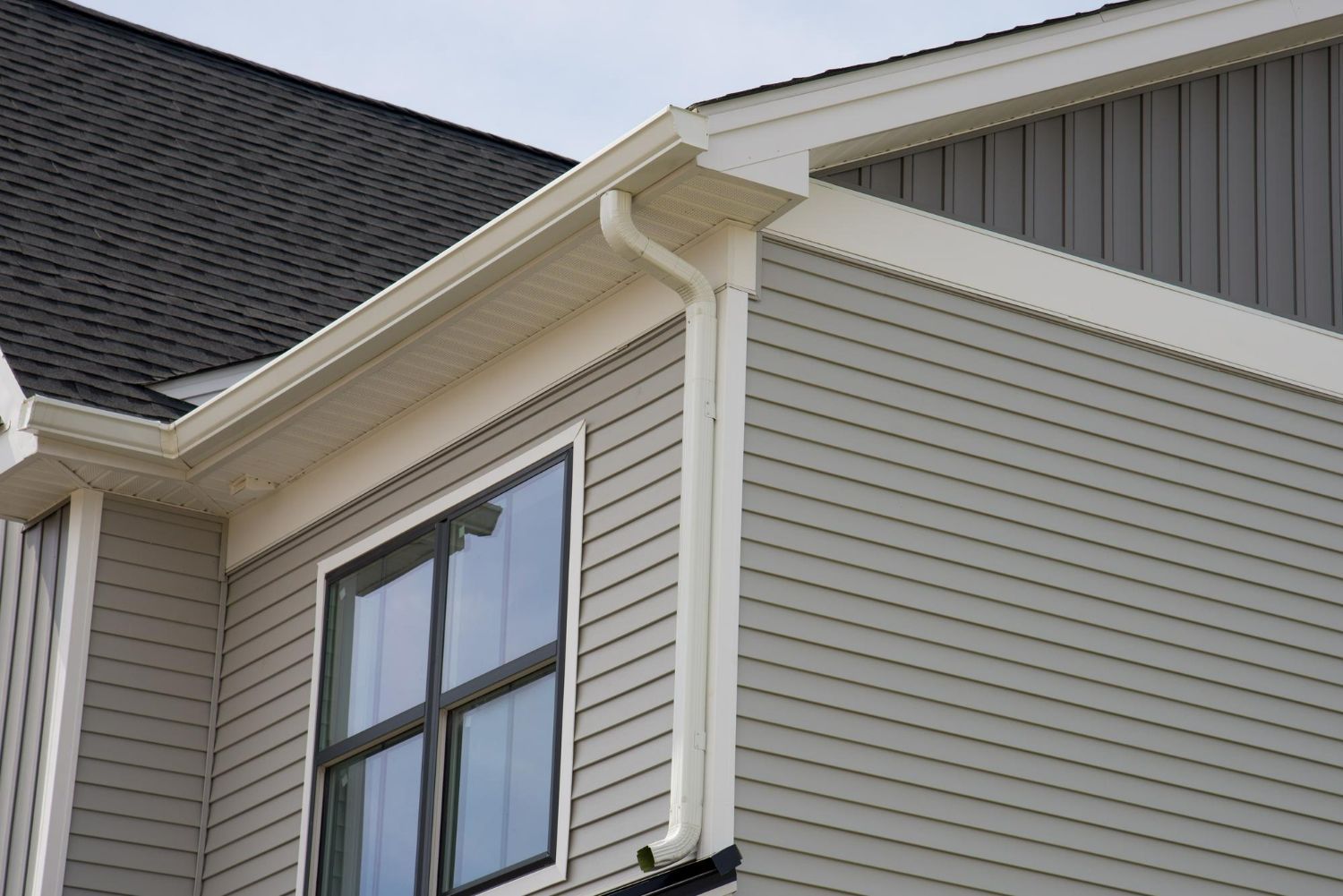
• Snow or ice sliding off the roof can pull granules down with it. If you check spots near downspouts or gutters and notice a lot of dark sand-like material, that’s a signal the shingles are shedding too much.
• Inside gutters, watch for buildup. If what’s collecting there looks gritty or matches the color of your roofing, your shingles are wearing down faster than expected.
• Bare patches on shingles are another obvious warning sign. Once the granules wear off, the shingles lose their top layer of protection and are more likely to crack in cold weather.
Granule loss is especially common on older roofs or ones that see frequent snow removal. We use architectural shingles from recognized brands, which can better stand up to these conditions, but they still benefit from periodic checks. Granules may seem unimportant but serve a clear purpose in keeping moisture and sunlight from damaging your roof too quickly.
Why Acting Early Makes a Big Difference
Winter doesn’t give roofs much of a break. Cold weather, ice, and heavy snow often pile on before any problems are spotted. That’s why catching signs early can keep things from spiraling.
• A lifted shingle or small leak in January might start a chain reaction, especially if snow continues to melt and refreeze on top of it.
• Cold-weather repairs are more difficult and costly. It’s harder to seal materials correctly when temperatures are low, so a patch job might just be a short-term fix unless caught early.
• By staying alert now, we avoid frantic repairs after the first spring thunderstorm rolls in. Most leaks that happen in spring actually started months earlier when the roof was under ice.
Being proactive about winter damage offers a smoother repair process and limits the stress for later. You’ll save time by addressing issues at the first sign, instead of waiting for a major leak or widespread shingle failure.
Staying Protected Through a Chicago Winter
Spotting problems early makes all the difference when it comes to protecting your home from winter damage. Architectural shingle roofing holds up well, but like any material, it has limits when exposed to moisture, weight, and freezing temperatures. The good news is that most signs begin small. If we know what trouble looks like, we can catch it before the roof suffers long-term damage.
By paying attention to sagging, leaks, bare spots, and lifting shingles during the cold months, we give ourselves time to plan smart fixes before the bigger storms arrive. With a local reputation for expertise in exterior remodeling, we understand the challenges unique to Chicago roofs and bring experienced teams to every project. Noticing changes in how your roof looks or performs is a sign that it’s time to address concerns before spring weather creates new challenges. Our experience with cold-weather wear has shown how quickly small issues can become major headaches.
If your home needs attention, especially regarding
architectural shingle roofing, reach out to Region Roofing & Remodeling so we can help you stay ahead of potential problems.