Winter Gutter Protection Methods That Really Work
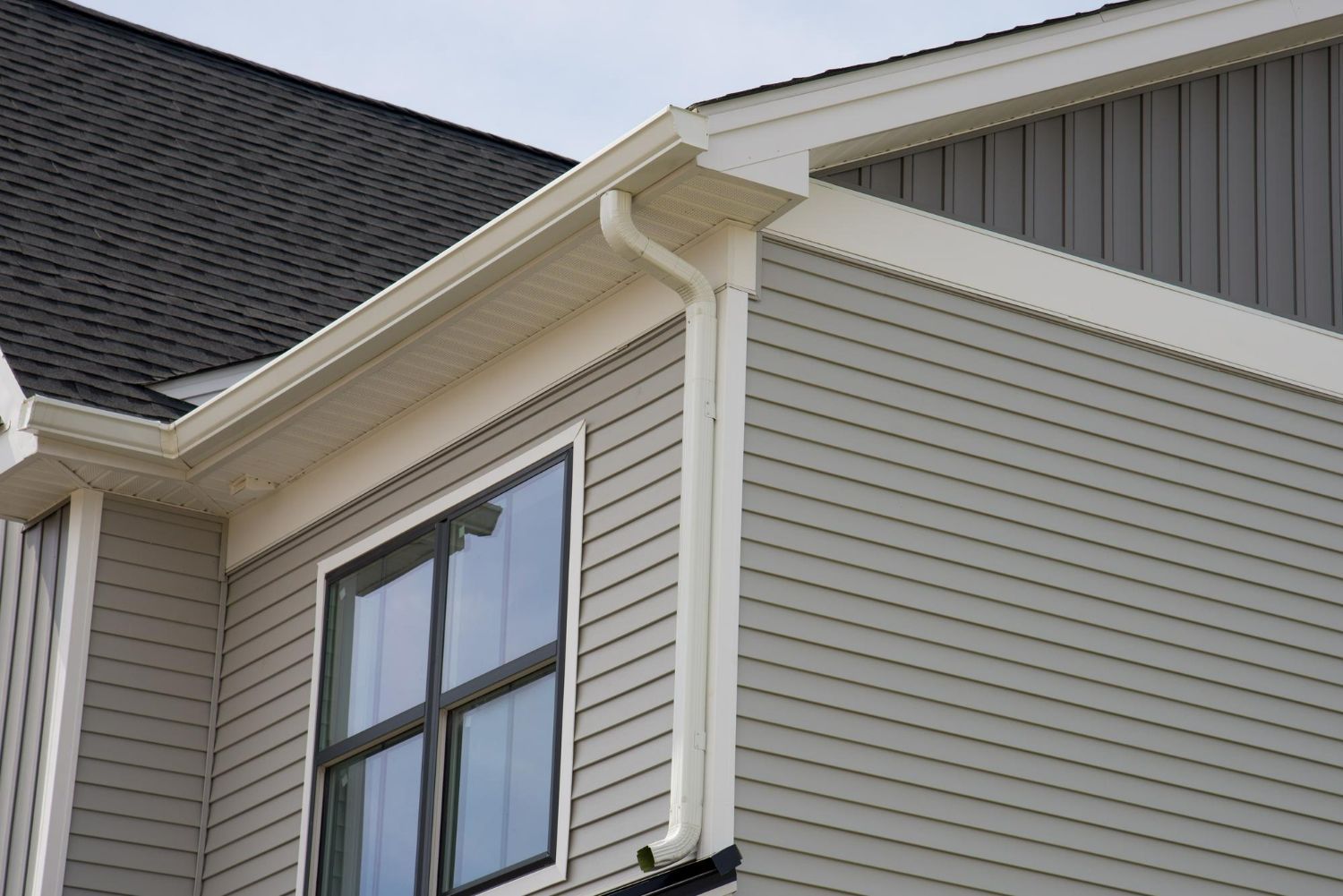
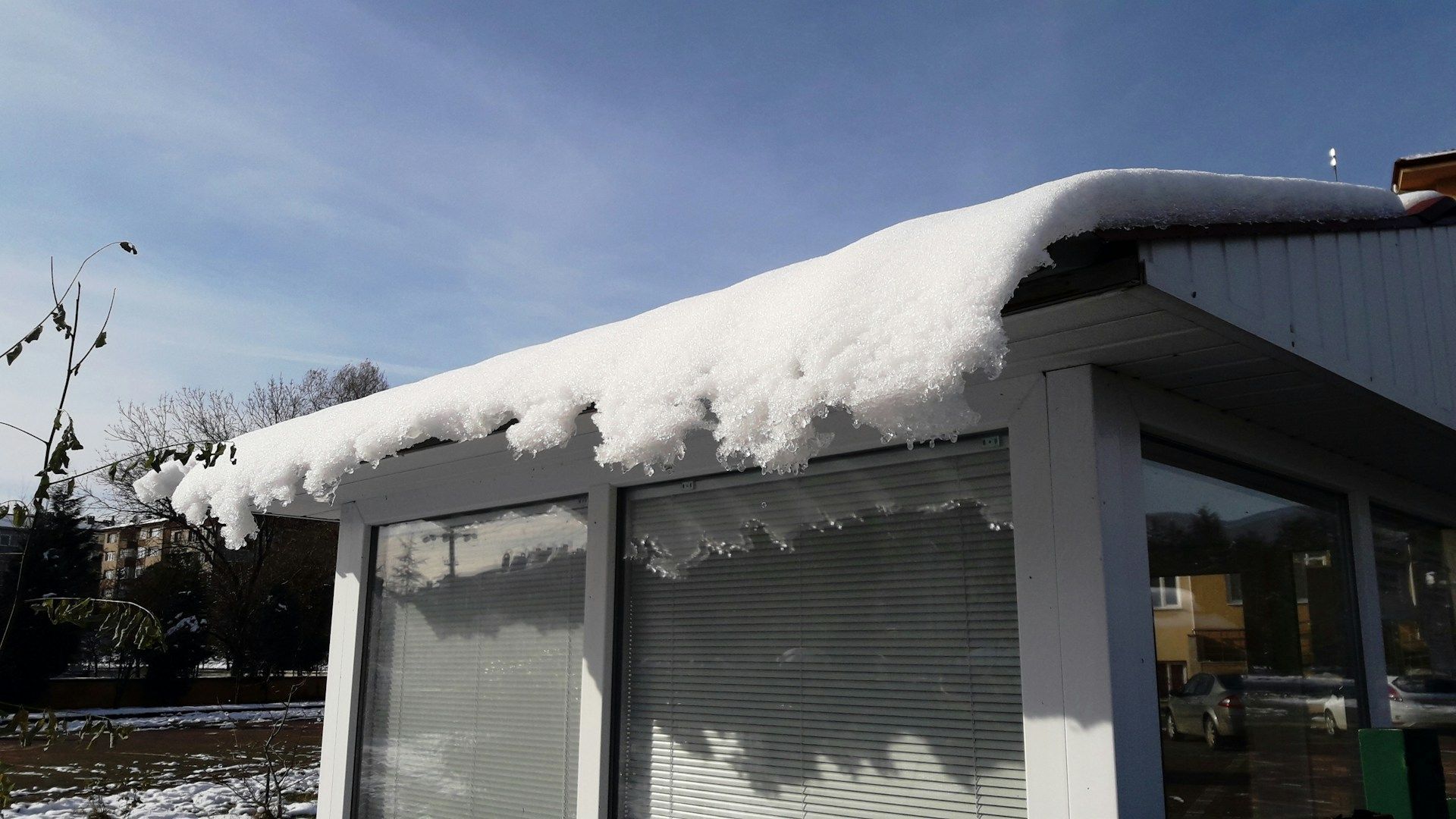
When the snow starts falling and temperatures drop, gutters aren’t usually at the top of anyone’s winter checklist. But if they’re left unprotected, they can be a source of big problems during harsh weather. Gutters are supposed to pull water away from the house, but when they freeze up with ice and get blocked by debris, that water has nowhere to go. It can back up, leak into the roof or siding, and cause damage that’s costly to fix when spring comes around.
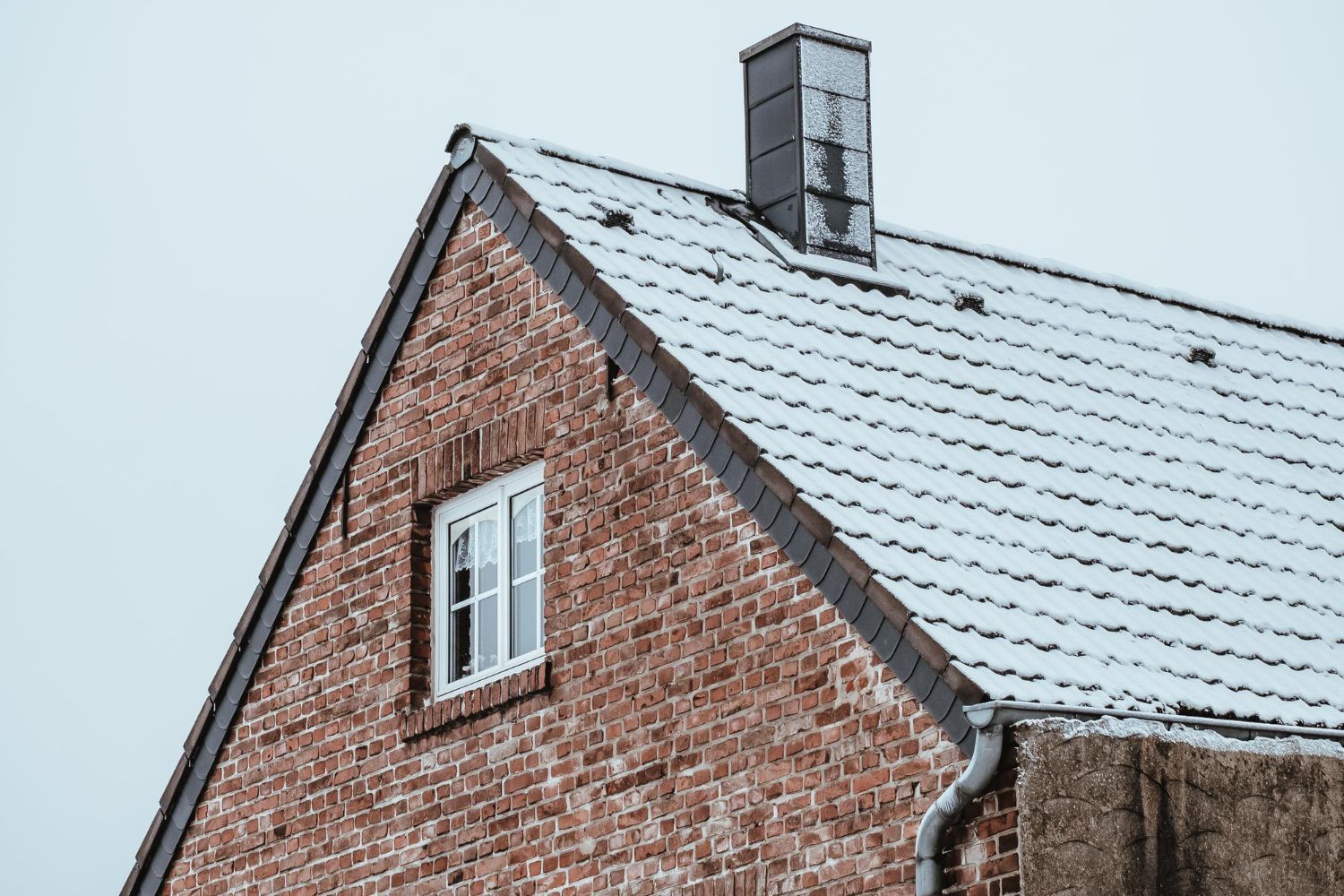
Chicago winters don’t go easy on homes. Heavy snow, freezing rain, and long cold spells all put stress on a gutter system. Without the right setup, ice dams form, gutters sag or pull away from the house, and water starts getting in where it shouldn’t. Thinking ahead and putting a few smart protections in place can make a big difference. Let’s take a look at what really works when it comes to keeping your gutters in good shape through winter.
Regular Cleaning And Maintenance
Before adding anything new to your gutters, keeping them clean should always come first. Even the best tools and upgrades won’t work right if leaves, snow, or old slush are clogging things up.
Gutters tend to fill up quickly in fall with leaves and broken twigs. If they’re not emptied out before the first freeze, all that gunk can trap water and turn into solid ice. That ice pile-up is what starts causing cracks and bending. And once the ice forms, there’s not much you can do but wait it out or deal with the damage.
Here are a few winter gutter cleaning tips that can help things run smoother:
- Clear your gutters at least once after all leaves have fallen but before the first heavy snow
- Check downspouts to be sure water is flowing out the bottom
- Make a quick visual check after each snowstorm to be sure gutters aren’t starting to sag or overflow
- Remove smaller amounts of snow buildup with a gutter scoop or plastic shovel to avoid wear and tear
Cleaning isn’t always about big fixes. Sometimes, a simple ten-minute cleanout before a snowstorm can prevent hours of repairs or even a complete gutter replacement later. If you can’t reach them safely, that’s a sign it’s time to call in help.
Gutter Guards Installation
To keep gutter systems working longer and reduce the need for constant maintenance, gutter guards are a smart upgrade during the colder months. They sit on top of the gutters and stop leaves, sticks, and animals from getting inside. During Chicago winters, this also helps keep snow from packing directly into the channel.
There are a few different kinds of guards you might see:
- Mesh screens made of metal or plastic that filter out large debris
- Surface tension helmets that cover the gutter opening and let water flow through a narrow space at the edge
- Brush inserts made of thick bristles that sit inside the gutter and block debris while letting water pass
Each has its pros and cons, but the goal is the same. If the guards prevent clogs, water can move freely and reduce ice formation. They also help extend the life of your system by lowering the odds of standing moisture and ice stretching the gutters apart. Installation is usually straightforward, though it’s better to have them installed before the first big freeze to get the most benefit through winter.
Heating Cables Keep Ice From Taking Over
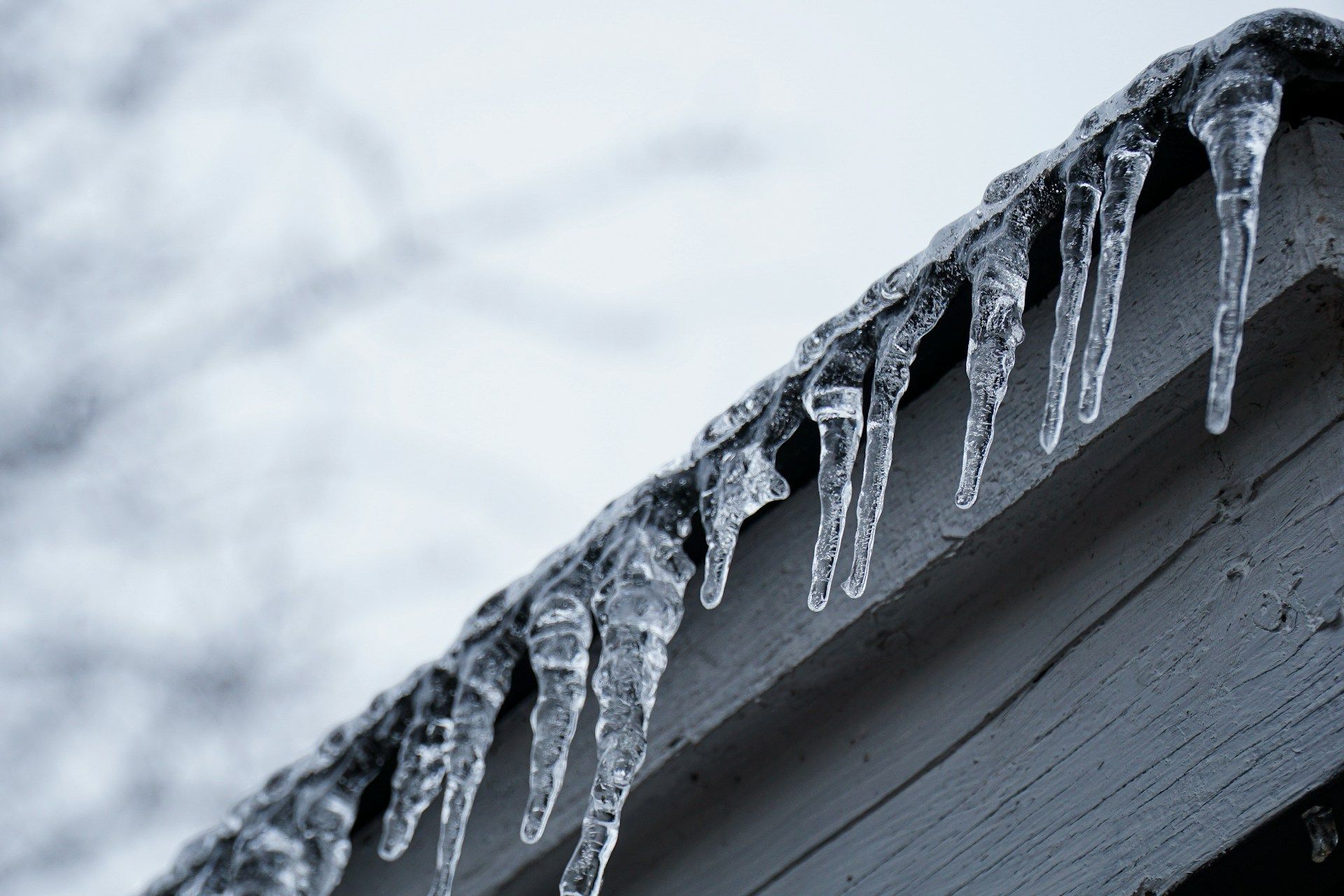
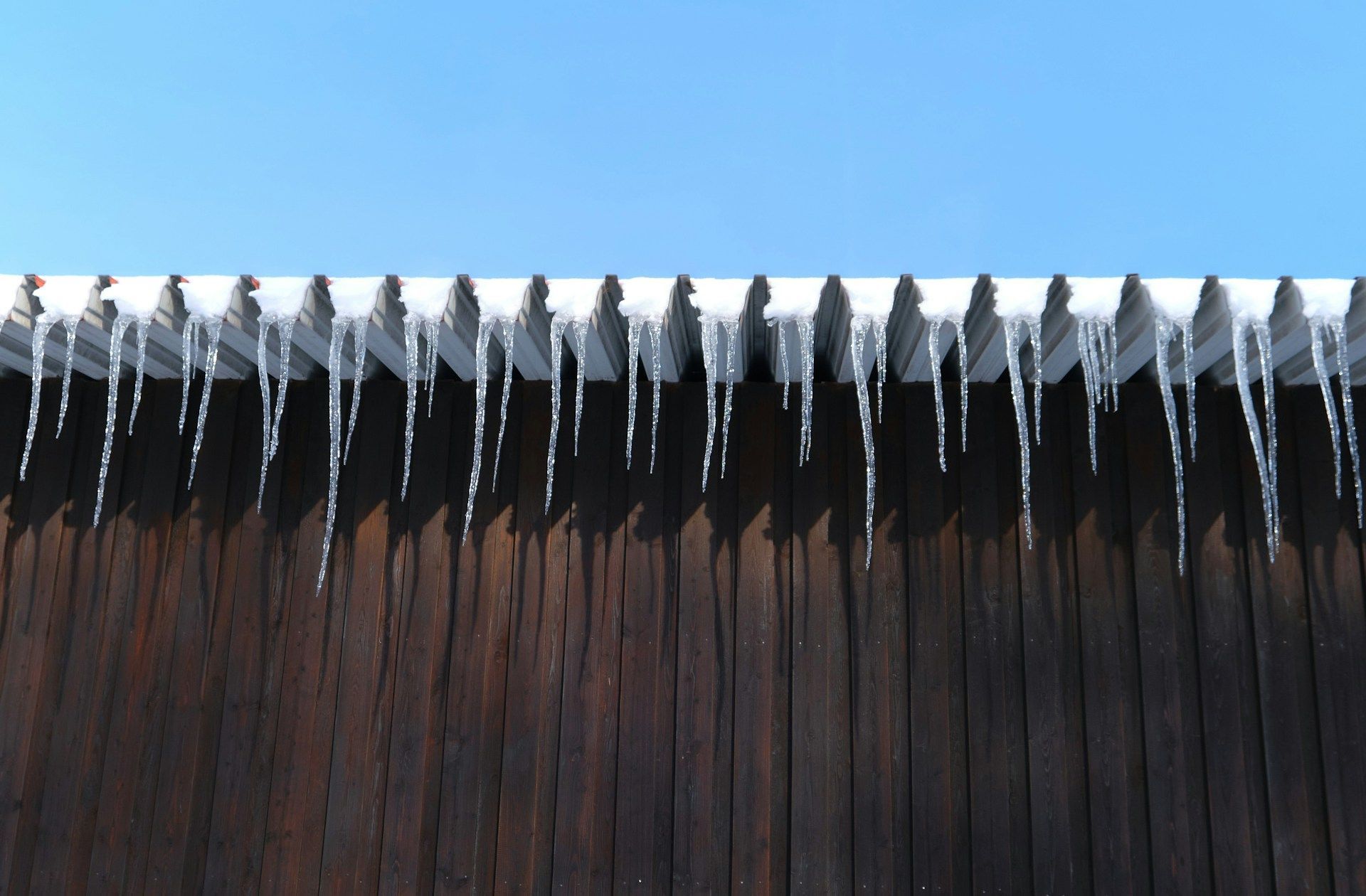
One of the simplest ways to fight off ice dams is with heating cables. These cables warm up just enough to let the snow melt slowly and drain through the gutters the way it’s supposed to. Without that help, snow just hangs around, melts unevenly, then freezes again until there's a mini glacier growing along your gutter line.
You’ll usually see heating cables placed in a zig-zag pattern along the edge of the roof and inside the gutters. They're great for problem areas where ice dams always seem to form, like the north side of your house or spots that don't get much sun.
If you're thinking about adding heating cables to your gutter setup this winter, here's what the process usually looks like:
- Measure the total length needed for gutters, downspouts, and nearby roof edges
- Choose a heavy-duty, weather-rated cable safe for use in snowy and icy conditions
- Secure the cable with roof clips along the eave and down into the gutter channel
- Keep the plug-in point close to an outdoor power outlet with a proper GFCI connection
Once installed correctly, the cables help snow slide right off the roof and push water through the downspouts before it has a chance to freeze. Anyone who's ever chipped ice off their gutters for three weekends in a row knows just how helpful that can be.
Don’t Overlook Slope And Positioning
Gutters might seem like passive parts of the house, but the way they’re installed can truly change how well they drain during winter. When the slope isn’t right, water moves too slowly and often freezes before it reaches the downspout. That’s a recipe for ice buildup and sagging gutters by late January.
Making sure your gutters run slightly downward, about a quarter-inch drop every ten feet, helps water drain quickly even when conditions are rough. The goal is to avoid flat spots where melted snow just hangs out waiting to turn into a solid block of ice.
Here’s what to check if you’re unsure about your current setup:
- Do you frequently see standing water in your gutters even days after a melt?
- Are icicles forming along the same gutter sections over and over again?
- Have any parts of the gutter started pulling away from the home’s fascia?
If the answer is yes to any of those, your slope or brackets may need adjusting. Realigning the gutters to restore that gentle downward angle can make a noticeable difference. It’s also worth making sure downspouts are pointed away from the house and not dumping water where snow piles up quickly.
Why Professional Gutter Services Make A Difference
Some winter gutter issues aren’t obvious until they’ve already started causing damage. A slight dip in the line or tiny crack near a joint might not seem like much until moisture creeps in and freezes. That expansion every time the ice builds can slowly push your system apart, warp the channels, and even loosen fastening points.
That’s where professional inspections help. A skilled tech can spot early signs of damage and fix small problems before they grow. Whether it’s installing new brackets, checking for proper flow, or sealing up holes that could let in water, trained pros are better equipped to handle the job safely and thoroughly, especially in the middle of a Chicago winter.
Even things like installing gutter guards or heating cables go smoother with help. Since those features are most useful when they’re fitted correctly and tested fully, it saves time and frustration having someone experienced on the job. Not to mention how much safer it is than climbing an icy ladder on a windy day.
Chicago Winters Won’t Wait — Your Gutters Shouldn’t Either
When winter hits hard, your gutters have to work harder than ever. If they're clean, set up to drain correctly, and guarded against buildup, they can help defend your home from avoidable water damage and ice-related wear. It’s not just about preventing backups or keeping things tidy under falling snow. It’s also about making sure your house stays dry and safe from the trickier parts of a long, cold season.
The upside is, these protective steps don’t call for overhauling your entire system. A few smart moves like cleaning on time, adjusting the slope, installing gutter guards or heating cables, and hiring trained eyes for the job go a long way toward keeping things running smooth. Winter in Chicago isn’t known for going easy, but when your gutters are ready for whatever the forecast brings, there’s way less for you to worry about.
Keep your home safe this winter by making sure your gutters are ready for the weather ahead. For dependable
gutter installation services in Chicago, trust the experienced team at Region Roofing & Remodeling. We’ll help protect your home from ice buildup, blockages, and water damage all season long.