Preventing Snow and Ice Build-Up on Your New Roof
Winter weather in Chicago can test the strength of any home's exterior, especially when a new roof is involved. It’s not just the snow piling up but the hidden risk of ice forming in the wrong places. Ice dams, heavy snow loads, and freeze-thaw cycles can all push a new roof past its limits before it’s even had time to settle in. The good news is, with the right care and proactive steps, homeowners can enjoy peace of mind through even the worst storms.
Understanding what causes that build-up, then knowing how to stop it, is the first step to keeping your roof safe. Letting snow and ice collect too long can lead to leaks, broken shingles, or more serious structural issues. Getting ahead of it can save you from larger problems in spring, like water damage or roof replacement.
Understanding Snow And Ice Build-Up
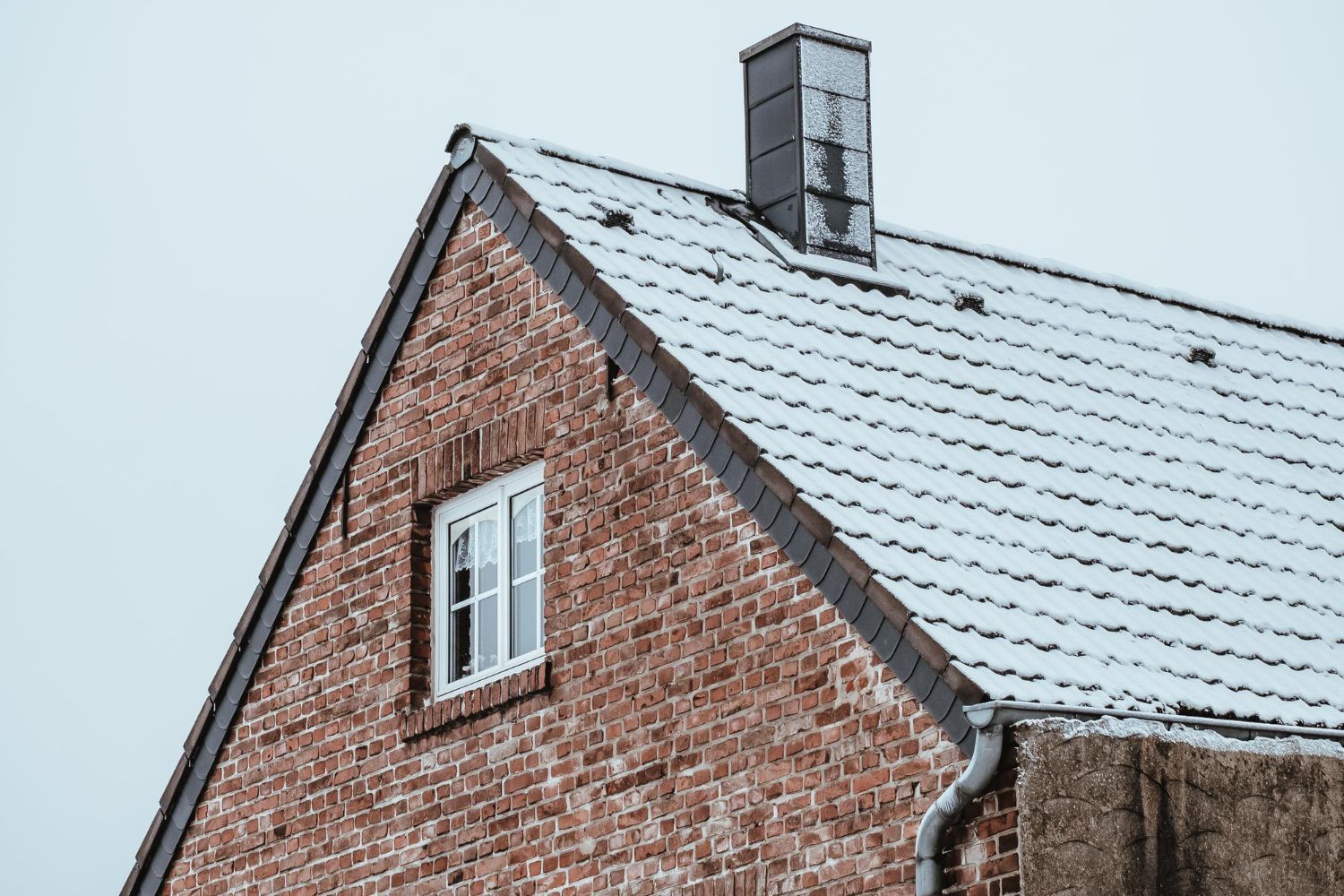
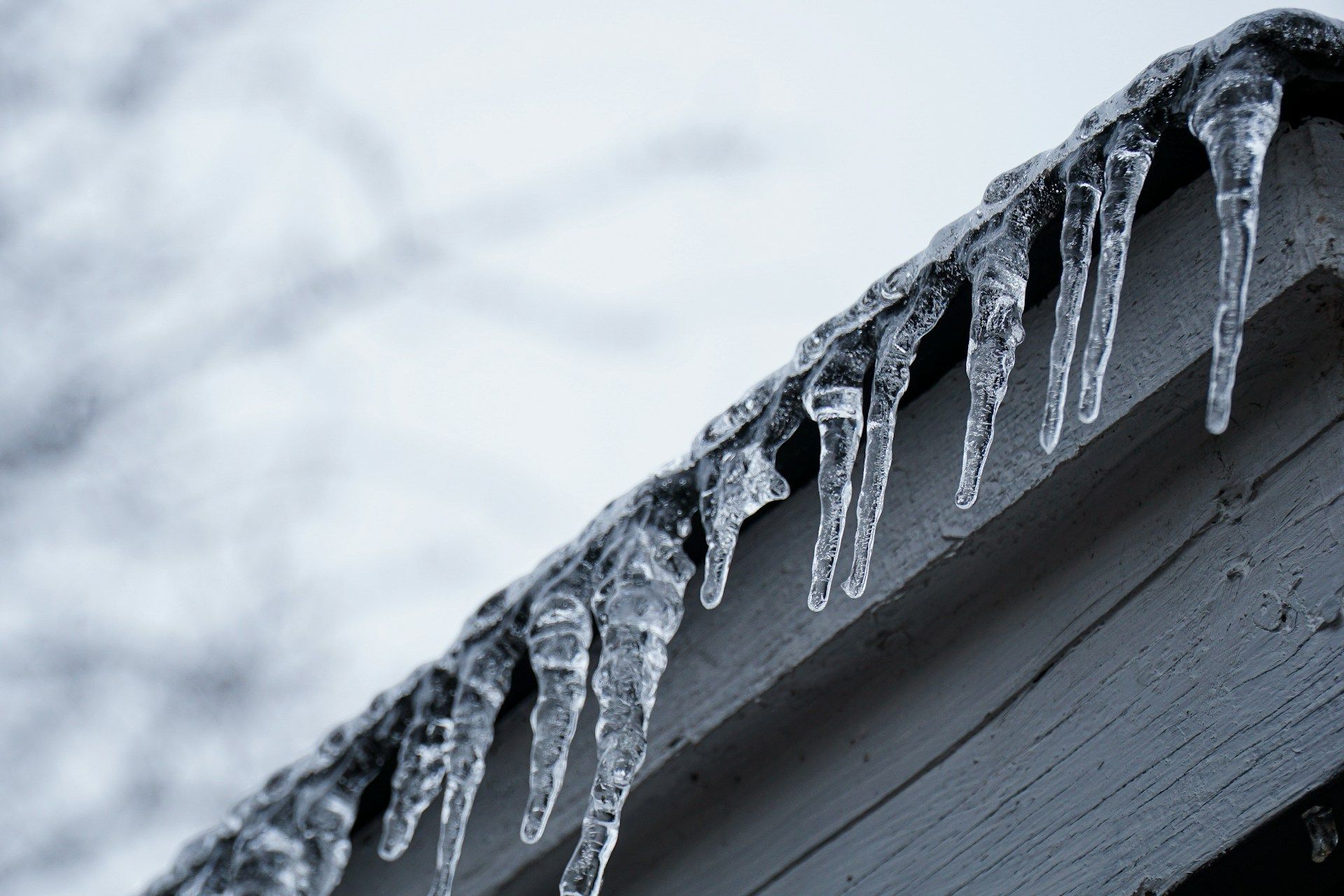
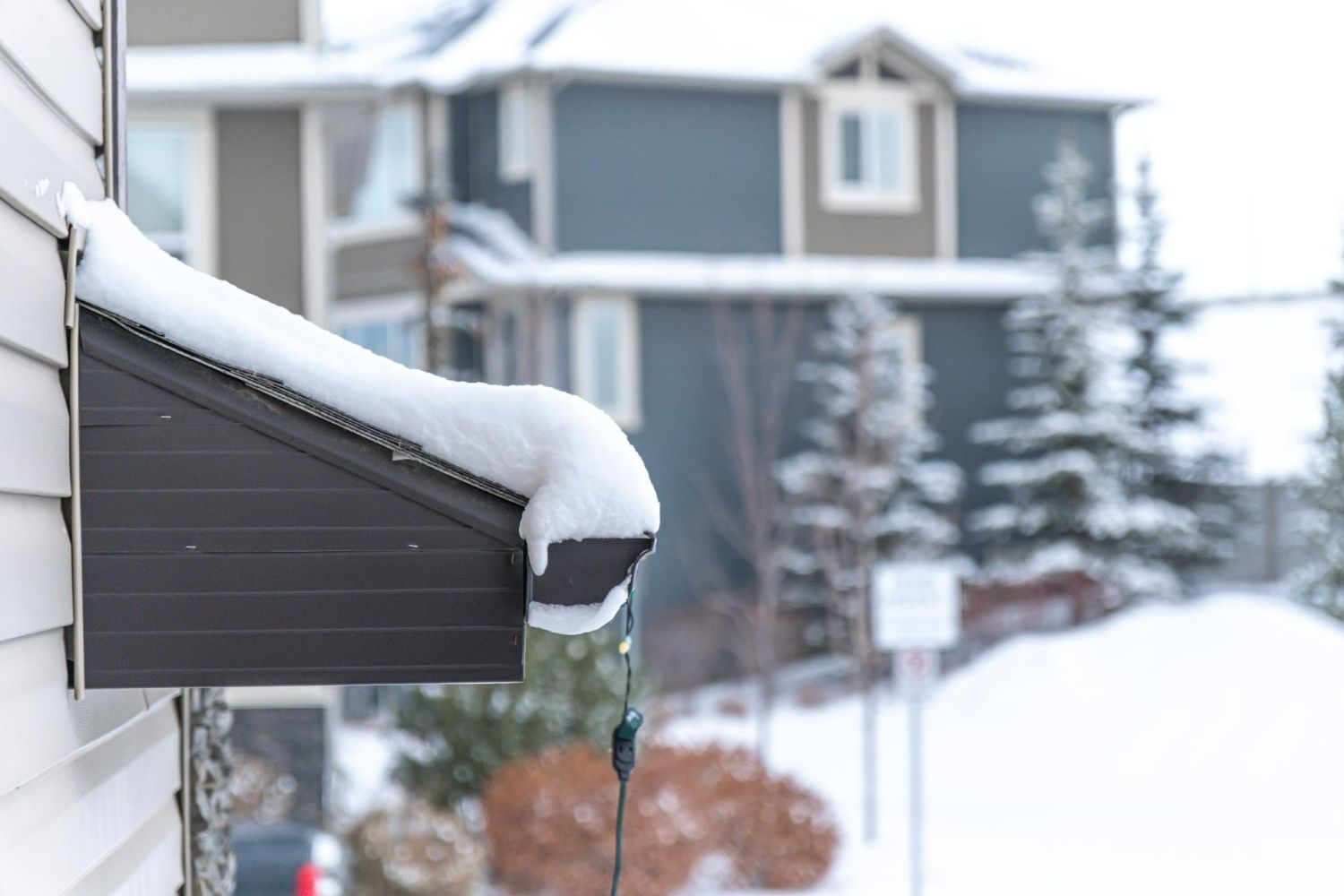
Snow doesn’t just land on a roof and sit there harmlessly. The steep slopes and dips on many roofs create perfect traps for snow and ice. When snow melts during a slightly warmer day but refreezes overnight, the problems begin. Ice builds up along the roof’s edges, forming blockages known as ice dams. These dams hold water in place, giving it nowhere else to go but under the shingles.
Once water gets underneath the roofing, it can soak insulation, make spots on ceilings, and even lead to structural weakening. Roofs don’t warm evenly, either. Some parts stay colder longer, especially shaded areas or those with poor airflow, which increases uneven melting and repeated freeze-ups in the same spots.
Common problem areas include:
- Roof edges, especially around gutters
- Valleys where roof angles meet
- Around skylights, chimneys, or dormers
- Overhangs or flat areas with poor water drainage
These place snow and ice can cling longer than they should. A good example comes from a Chicago homeowner who noticed a leak just weeks after getting a new roof. The issue ended up being an ice dam that had forced water beneath brand new shingles and into their attic. Even a brand new roof isn’t safe unless there’s a plan in place to manage winter conditions.
Preventive Measures For Snow And Ice
There are reliable ways to reduce snow and ice problems before they take hold. Much of it has to do with airflow and heat control in your attic.
Here’s what can help:
1. Proper insulation –
A warm attic causes the snow on your roof to melt, but when that water moves to colder areas near the edges, it refreezes. Insulating the attic floor helps keep indoor heat from sneaking up through the roof.
2. Balanced ventilation – Good airflow helps the attic hold an even temperature. Soffit and ridge vents help move air through, pulling out the warmer air and keeping the roof cooler overall.
3. Snow raking – Using a roof rake to clear the lower edges after a snowfall helps prevent too much snow buildup and gives water less chance to pool and refreeze. Even just clearing the first few feet can make a real difference.
4. Heated cables – In places that often freeze up, like eaves and valleys, adding heat cables can help melt snow before it becomes a bigger issue. They unplug some of the worst trouble zones before the ice gets out of hand.
These tools work best as a group. Relying on just one solution may not help enough, but combining all of them leads to better protection for the long winter months.
Why Professional Roof Installation Services Matter
How your roof is put in plays a major part in how it handles snow and ice. A brand new roof may look strong from the outside, but the real test is in how the layers underneath are built. Pros make sure that flashing, underlayment, vent placement, and sealing all work together to hold off moisture and ice.
One of the most helpful things about hiring seasoned roofers is how they prepare high-risk areas. That means sealing shingles properly around edges, valleys, chimneys, vents, and wherever materials connect. They also check that the pitch and water drainage are right for Chicago's weather. Installers who understand local wind and sun patterns can place materials to help your roof last longer.
Roofing is more than shingles and nails. It’s an entire system made to handle cold, heat, and moisture. Once it’s installed, ongoing checks help make sure things stay in good shape. After a storm or a run of cold nights and sunny days, professional inspections can catch minor cracks, lifted shingles, or hidden blockages. These things may not seem like much at first but can lead to big damage later on.
Getting work done right the first time gives you peace of mind instead of problems down the line. That matters even more when cold weather sticks around for months at a time.
Keeping Your Roof Safe This Winter
Winter doesn’t have to be stressful if you stay alert and act early. Just because a roof is new doesn’t mean it can ride out the season with no issues. Sooner or later, the weight of snow, the thawing and freezing, or trapped water can cause surprising damage if you’re not paying attention.
A few helpful winter tips:
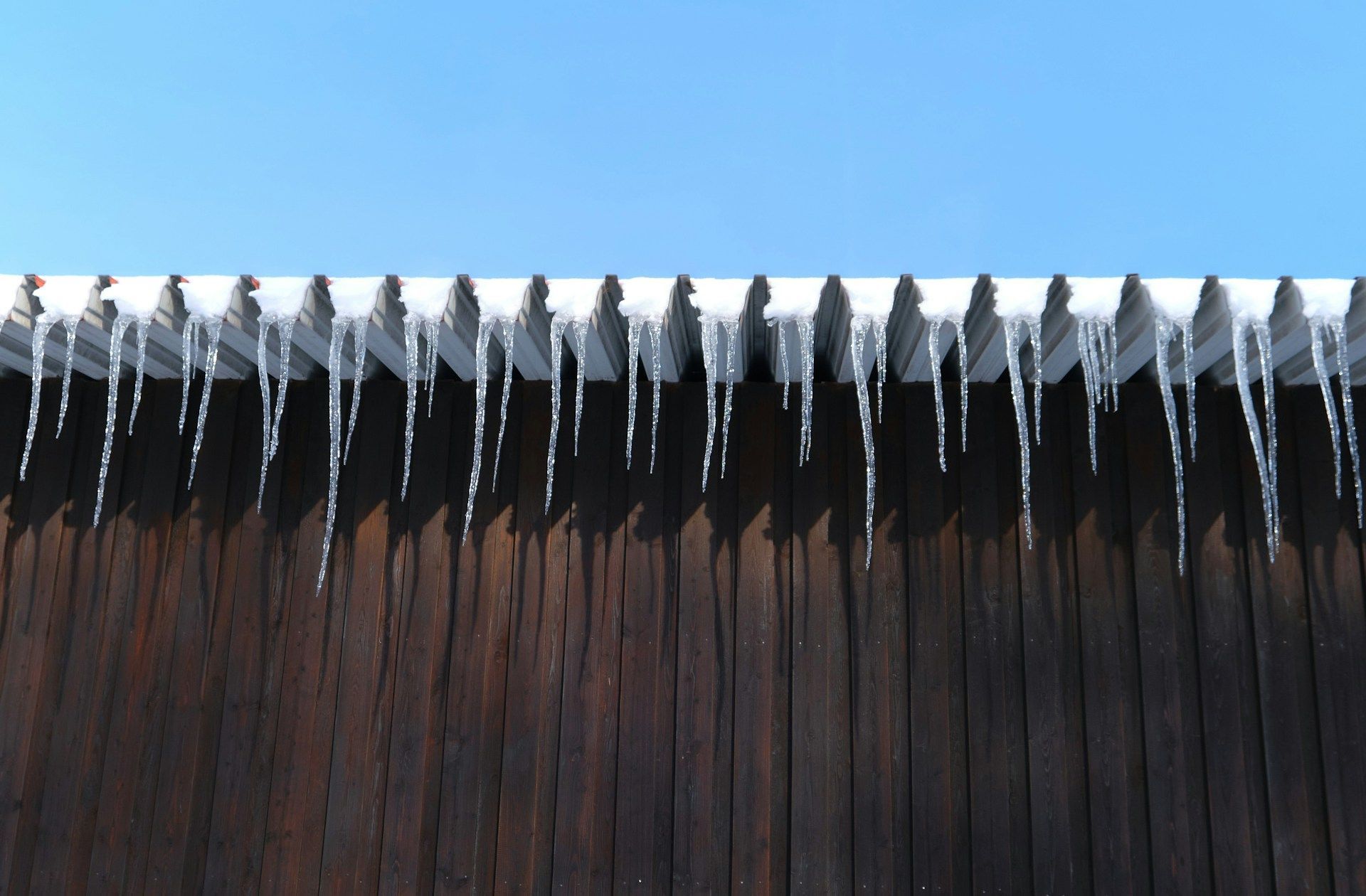
- Watch for large icicles — these can mean poor airflow or ice dams are forming
- Peek inside the attic occasionally — look for wet spots or signs of drafts
- Use a roof rake to gently pull snow from the lower few feet of the roof
- Keep an eye on rooflines after snow — sagging or uneven spots could be warning signs
- If you see water indoors where it shouldn’t be, it’s time to call in professional help
Sometimes it doesn’t take long for a small issue to grow into something serious. Waiting and hoping it’ll go away usually makes things worse. Spotting red flags early helps your roof stay strong through the worst of winter.
Helping Your Roof Last for Years
Snow and ice aren’t new to Chicago, and they’re not going anywhere. But a roof that’s been installed correctly and taken care of the right way can handle it all. Knowing where snow collects, how your roof vents, and where water might sneak in makes a big difference once that first big storm rolls in.
Combining good insulation, smart ventilation, regular snow removal, and proper installation creates a support system that works with the weather instead of against it. If you feel unsure about what’s happening on your roof, the safest move is to have a professional take a look.
When you’ve already made the investment in a new roof, it pays to stay on top of it. A little effort now makes breaking out the buckets in spring far less likely. Let that new roof do what it’s meant to do—protect your home all season long.
For a roof that’s built to handle Chicago's unpredictable winters, nothing beats the work of experienced professionals. Learn how our expert
roof installation services at Region Roofing & Remodeling can give your home the strength and protection it needs all season long. From proper sealing to long-lasting materials, we’re here to make sure your roof stays ready for whatever the weather brings.