Steps for an Asphalt Shingle Roof Installation
Asphalt shingle roof installation is one of the most common ways to protect a home from weather damage and extend its lifespan. It involves more than just laying down new shingles. There is a full step-by-step process behind it, and each part needs to be done with care, especially during colder months like January in Chicago. Winter brings some real challenges, and timing can play a big role in how well the work holds up.
Whether a roof is being replaced after years of wear or because of storm damage, understanding how installation works helps homeowners stay informed. Knowing what to expect from start to finish makes the process feel more manageable and less stressful. Here’s how each stage fits together to create a roof that lasts.
Preparing for the Installation Process
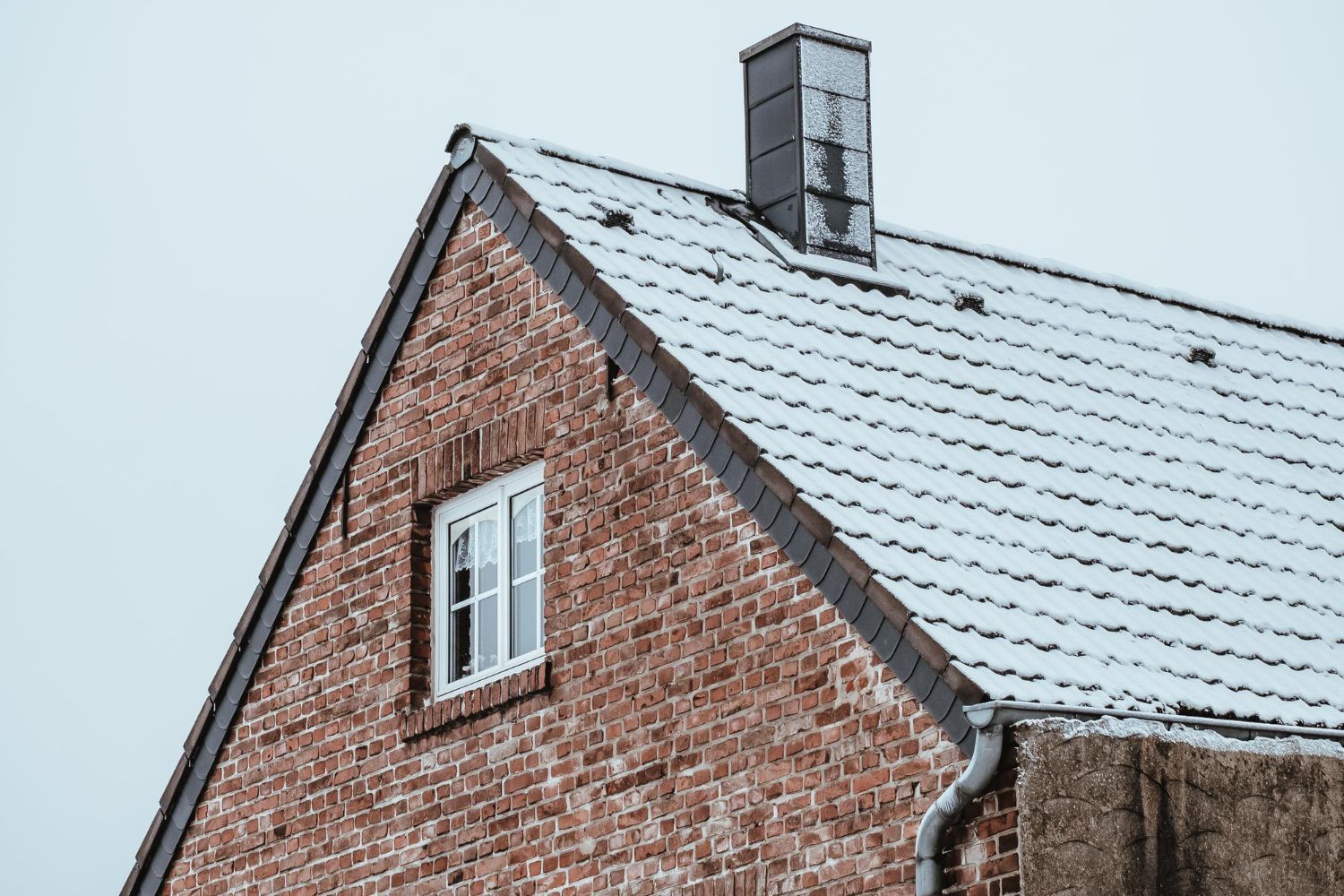
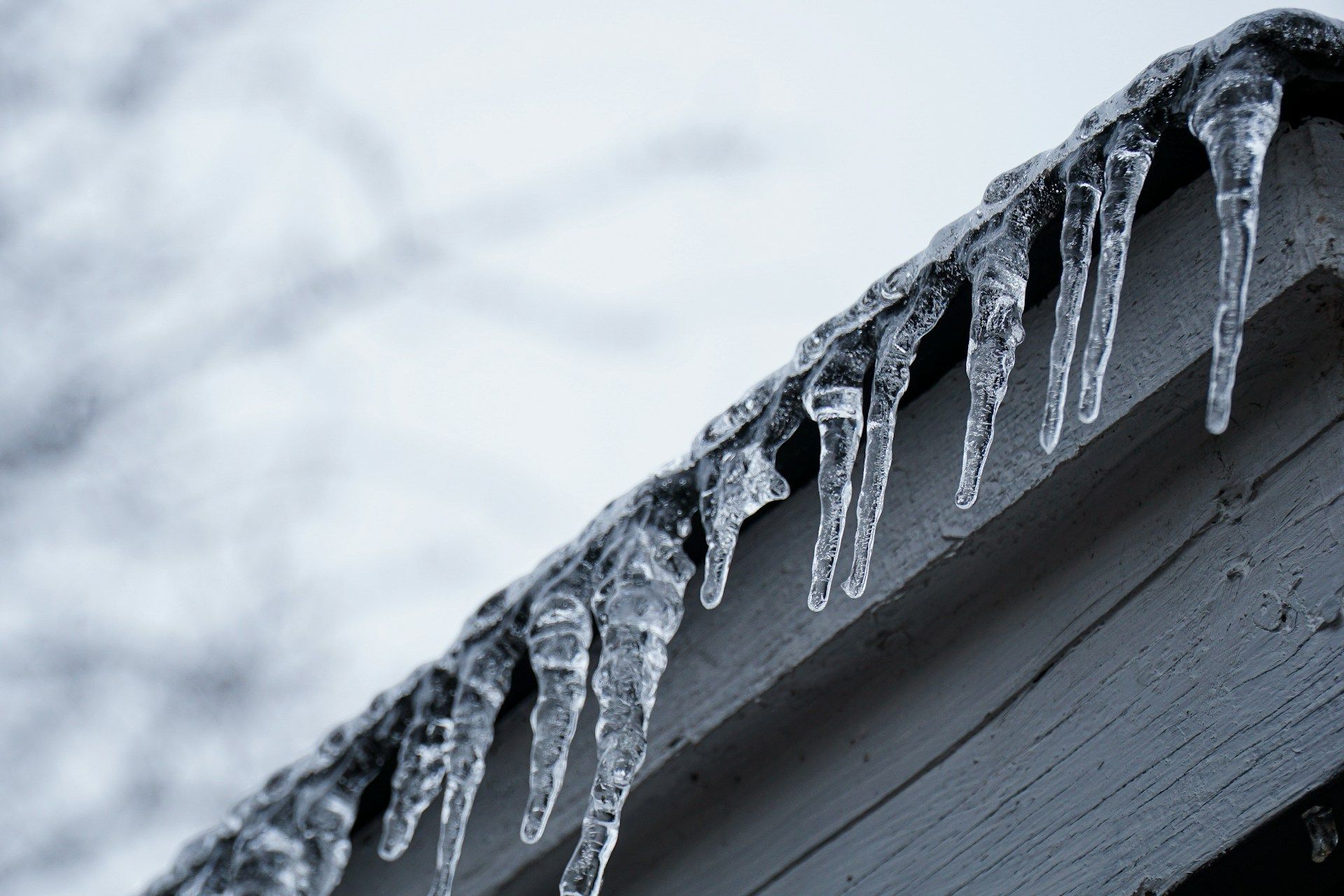
Cold weather can delay a roofing job just as much as rain or high winds. In January, we keep a close watch on the forecast. Ice or snow buildup makes the worksite more dangerous and affects how well materials stick and seal. Timing each step around weather patterns can keep the project on track and protect the quality of the build.
Before anything gets pulled off the house, there is a full inspection. Looking under existing shingles helps catch hidden trouble areas that might need repairs. Rot, soft spots, or sagging sections could signal issues with the structure underneath. Fixing those early prevents more damage after the new shingles are installed.
Getting ready does not stop with inspections. We make sure dump trailers, ladders, and roofing supplies are staged properly. Materials like shingles, underlayment, and nails are dropped off in advance so the install can move forward without delays. Permits are handled early too so there is no waiting once the weather clears and the work starts.
We pride ourselves on being fully licensed, bonded, and insured, giving homeowners additional peace of mind during every project in Chicago.
Removing the Old Roofing Materials
It might seem faster to layer new shingles over the old ones, but full removal is the better call most times. Tearing off the old roofing gives a chance to inspect the wood decking for water damage or rot that might not show on the surface. Skipping this step raises the risk of leaving behind problems that could shorten the roof’s lifespan.
• Removal begins at the top edge of the roof and works down row by row
• Shingles, nails, and underlayment are pulled and placed directly into disposal bins
• Any rotted or soft decking is cut out and replaced before the next layers go on
Once everything is off and cleared away, there is a second check of the surface. Finding signs of mold, damaged flashing, or warped wood now helps prevent big issues after installation finishes.
Installing the Base Layers
Before a single shingle is nailed down, the base protection goes on. This includes roofing underlayment, drip edge flashing, and in wintry spots like Chicago, ice and water shields. These act as a backup if water finds its way under the shingles.
• Underlayment lies flat over the decking as a water barrier
• Ice and water shields are added to the eaves and valleys where buildups are common
• Metal drip edges are fastened along the bottom and sides to guide water off properly
Cold weather changes how materials behave, so products are used that handle lower temperatures. At this stage, ridge vents or other attic ventilation openings are made ready to work smoothly once the roof is sealed. Flashing around chimneys, vents, or skylights is either installed or prepped to go in with the shingles.
All base materials installed meet manufacturer standards and city code requirements, helping protect the roof’s durability throughout Chicago’s severe winters.
Laying the Asphalt Shingles
This is where things start to take shape. Asphalt shingle roof installation requires alignment, steady hands, and the right nailing pattern to keep shingles in place through winter wind and summer sun. Each row is staggered to keep water from tracking through seams.
• The starter row is placed along the edges to anchor everything
• Field shingles follow in overlapping rows from bottom to top
• Nails are driven above the adhesive strip at set intervals to hold tight
In January, colder weather can slow down the sealing process. Shingles are meant to bond naturally in the sun, so below-freezing temperatures may delay the seal forming. This is not a problem, but it means extra care is taken to line everything up right and use hand-sealing when needed. That way, once the weather warms up, the bonding holds firm and locks out moisture.
We use premium roofing products and follow best industry practices to support long-lasting performance in every installation.
Final Inspection and Cleanup
No job is complete until it has been double-checked. All rows are checked to confirm the shingles sit tight and edges are sealed. Flashing gets a final review to check for gaps or lifting. Ventilation paths are cleared to keep air moving in and out of the attic space.
• Magnet tools are used to clean stray nails from yards and driveways
• Trash, old shingles, and cut scraps are loaded out
• Protective materials like tarps are removed and yards are walked for missed debris
With winter work, a short follow-up visit may be scheduled once temperatures have warmed to check that sealing finished properly. That extra check gives peace of mind and helps catch anything small before it becomes a bigger issue during spring thaw or heavy rains.
Your Chicago Roof Installation Partner
Each step of an asphalt shingle roof installation builds on the one before it. When a careful approach is taken, even in the harshest Chicago winter, the result is a strong, reliable roof. Proper planning, quality products, and a checklist-driven process all help protect your home from rain, snow, and storms throughout the year.
Understanding the installation process lets homeowners make informed choices and stay confident as the work moves forward. If you are considering a roof replacement or upgrade, it helps to have a professional partner familiar with Chicago’s unique weather and building codes.
Upgrading your roof in Chicago can make all the difference when it comes to withstanding everything from winter snow to heavy spring rain. Our team makes sure every installation is timed right and built to handle our region’s unique climate. Let us guide you through your
asphalt shingle roof installation with care and expertise. Reach out to us today to start your project.