How to Know When It’s Time to Replace Your Siding
Your home's siding plays a significant role in protecting your house from the weather. It also helps make your home look nice. Over time, though, siding can wear out and stop doing its job. Knowing when to replace your siding can save you from bigger problems later. It's important to watch for signs that your siding needs to be replaced.
Old or damaged siding can let water and pests get into your home. This can cause rot, mold, and other damage. Also, worn-out siding can make your home less energy-efficient. You might notice higher heating and cooling bills. Replacing your siding at the right time keeps your home safe and can save you money on energy costs.
In this article, we'll talk about some clear signs that it's time to replace your siding. We'll go over things like visible damage, the need for frequent repairs, rising energy bills, and the growth of mold or mildew. Understanding these signs will help you make the best choice for your home.
Visible Signs of Wear and Tear
One of the easiest ways to know it's time to replace your siding is by looking for visible signs of wear and tear. Walk around your house and check for any cracks, holes, or gaps in the siding. These can let water and pests into your home, causing more damage over time. If you see pieces of siding that are loose or coming off, it's a clear sign that they need to be replaced.
Also, look for areas where the siding is warped or buckling. This can happen due to water damage or extreme temperature changes. If the siding is no longer flat and even, it won't protect your home properly. Another sign to watch out for is faded or peeling paint. While a little fading is normal over time, large areas of peeling paint can mean the siding is no longer holding up well against the elements.
Don't forget to check the seams where pieces of siding meet. If you see spaces or separations, this can indicate that the siding is shrinking or pulling away from the house. These gaps can let in moisture, leading to rot and mold. Paying attention to these visible signs helps you catch problems early and keep your home safe.
Frequent Need for Repairs
If you find yourself constantly fixing your siding, it might be time to consider a full replacement. Occasional repairs are normal, but if you notice frequent issues, the siding's overall condition might be poor. Repeatedly patching up holes, cracks, and loose pieces can become costly and time-consuming.
Think about how often you’ve had to call for repairs in the past year. If it feels like you’re always dealing with some kind of siding problem, it’s a sign that the material is failing. Siding that needs constant upkeep isn’t doing its job of protecting your home. In the long run, replacing the siding can be more cost-effective than ongoing repairs.
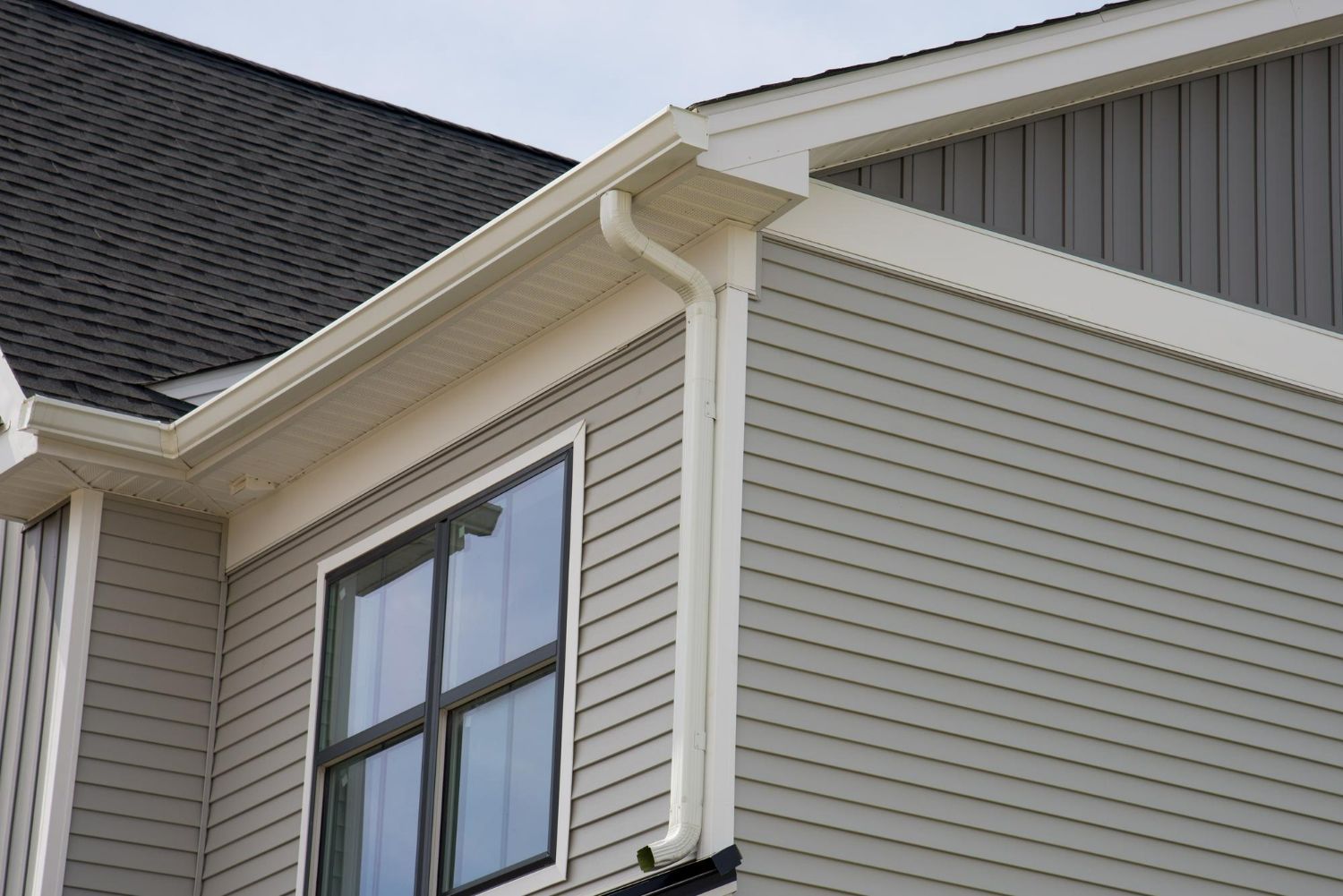
Another factor to consider is the age of your siding. Most siding materials have a lifespan. For example, vinyl siding lasts around 20-40 years, while wood siding can last up to 30 years if maintained well. If your siding is nearing the end of its lifespan and constantly needs repairs, it’s probably more practical to replace it. By installing new siding, you can avoid the headache of constant fixes and enjoy better protection for your home.
High Energy Bills and Poor Insulation
If you’re noticing your energy bills are getting higher, it could be a sign that your siding is not insulating your home properly. Old or damaged siding allows cold air to seep in during the winter and lets cool air escape during the summer. This makes your heating and cooling systems work harder, leading to higher energy costs.
You can test your siding’s insulation by feeling the walls inside your home. If they feel cold in the winter and hot in the summer, it is likely that your siding isn't doing a good job of keeping your home insulated. Another clue is drafts near the walls and windows. These drafts can indicate that your siding has gaps or is not sealed properly.
Replacing old or damaged siding with new, energy-efficient materials can improve insulation and reduce your energy bills. Many modern siding options are designed to be energy-efficient, helping to keep your home at a steady temperature. Investing in new siding can contribute to a more comfortable living environment and save you money in the long run.
Fading and Mold Growth
Over time, siding can fade due to exposure to the sun and weather conditions. While some fading is normal, extreme color loss can mean that the siding’s protective layer is breaking down. This loss of color can make your home look aged and worn. If your siding is severely faded, it might be time for a replacement to refresh the appearance of your home.
Mold and mildew growth are other signs that you need to replace your siding. Mold can appear as black, green, or white spots on the surface of your siding. It thrives in damp conditions and can spread quickly if not addressed. Mold not only looks unsightly but can also create health risks for you and your family.
Inspect your siding regularly for any signs of mold or mildew. If you find these growths, try cleaning the affected areas. However, if the mold keeps coming back or has spread widely, it's a good idea to replace the siding. New siding materials are designed to resist mold and mildew, helping to protect your home and keep it looking good.
Conclusion
Knowing when to replace your siding is essential for maintaining a safe and energy-efficient home. By looking out for visible signs of wear and tear, frequent repairs, high energy bills, and issues like fading and mold growth, you can address problems early. This helps protect your home from further damage and keeps it looking its best.
Investing in new siding can enhance your home’s curb appeal and provide better protection against the elements. Plus, energy-efficient siding materials can help reduce your heating and cooling costs. A well-maintained exterior is key to a comfortable and safe living environment.
If it’s time to replace your siding, don’t wait until the damage gets worse. Contact Region Roofing & Remodeling for expert advice and high-quality
siding replacement services. Let us help you keep your home in top shape. Reach out today for a consultation and get started on improving your home’s exterior!